005 - Tim Tuoni
Do Something About It
A profile of Tim Tuoni, owner, Tuoni Site Development
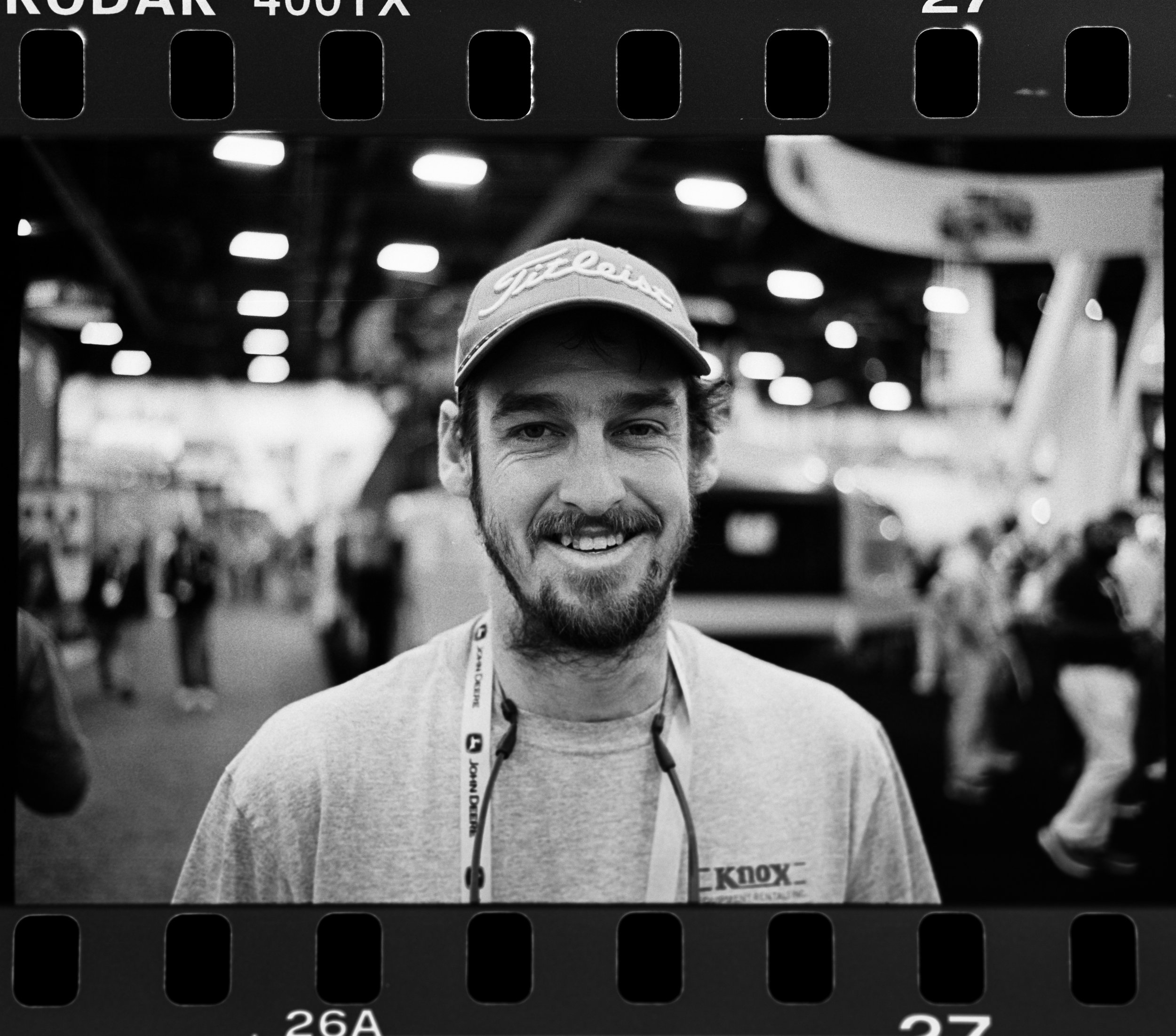
Portrait of Tim Tuoni in Las Vegas, Nevada at ConExpo 2026. Shot on 35mm Kodak Tri-X 400 film with Leica R6.2.
Tim Tuoni went to college for two years, decided it wasn't for him, so he left.
"I always wanted to work with my hands. So I just started applying places. Started as a laborer and then just kind of went from there, operating, and then became a foreman before I went out on my own."
He's been in construction about fifteen years total, working his way up through other companies before eventually going out on his own. Now he owns Tuoni Site Development out of Wendell, North Carolina, just outside of Raleigh. His name is on the side of the machines.
Why He Left College
Tim didn't quit college because it was hard. He quit because it wasn't teaching him what he wanted to know.
"They were trying to be too broad with some of the stuff. We were learning a lot about vertical construction and that's really not what I wanted to do. I wanted to be more on the grade side, building highways, doing dirt, pipes."
But there was something else underneath it. A philosophy about leadership that he'd already worked out on his own.
"I had the mindset of if I'm going to be leading people and be their boss, I should know how to do most of their jobs. That way if somebody's not there that day, it's not just me twiddling my thumbs, I can go do that job and still keep our project moving forward."
What You Built
Ask Tim about the feeling of seeing what you built at the end of the day and he's got a real answer.
"When you're the one that built it, you know what went into it, a lot of blood, sweat and tears. No project goes smooth. So you remember all those crappy situations with the guys you were with, and when you look back on it, you're like, 'we accomplished something.' And those harder jobs, you sit back and you're like, 'damn, we really fought through it and built a good product.'"
Failing's Not an Option
What keeps Tim going when things get hard? He doesn't want to fail. Simple as that.
"I don't want to let people down that have supported me and backed me up. With your name on the side of the machines, there's an added bonus to, hey, we're going to figure it out. Somebody's got to do it, and at the end of the day, I don't want to not do something just because I can't do it. I'd rather figure it out."
What kind of person does it take to figure it out? Tim believes it's a mindset you have to have. And the mindset matters more than raw talent.
"Nothing's going to stop you, failing's not an option, just keep going forward. Even if you're not the best at what you do, if you just keep going at it, you'll get there."
What Gets Built
Tim thinks about the impact of the work in ways that go beyond the job site.
"Everything you build has some impact on the community. Whether you're building houses for people, you're building roads, you're putting in sewer, water pipe, that stuff affects people every day. Whether it's just getting a cup of water or it's water going to a hospital to help with treatment for people, you're impacting lives. Whether it's something small or it could be something life changing. And you don't really think about it when you're building it, but then you realize whatever you built, that service that it provides, and you can sit back and think about that."
He's seen it play out in real time. "You go fix a road that's been a bottleneck for five years and now you see traffic flowing through it smooth, not only did you build it and turn out a good product, it's actually helping everybody around you move forward and hopefully build a better community for the people that live in it."
Not a Bunch of Old Miserable People
Tim pushes back on the way the trades get perceived from the outside.
"A lot of the people in this industry have a lot of pride in what they do, and they just want to hold people accountable. They're not necessarily being an a-hole, they just have that standard and they want to push that standard because what you build is going to be there for 20, 30, 40, 50 years."
He's also tired of the assumption that the people doing this work aren't smart.
"If people ever sat in a conversation when there's a problem on the job site, you have guys that are operators or foremen that don't have a college degree, and there's engineers talking, and you listen to the guys without a degree and you're like, he's actually a fairly smart dude. He just couldn't sit in a classroom. Those guys in the machines, the welders, they're smart people. They're just not book smart. They're very good with their hands, and that's where their brain shines."
The Community
Ask Tim his favorite thing about the industry and he'll tell you it's the people, but not in a generic way.
"My original answer would've been the machines, because I'm just a kid with Tonka toys. But honestly, the people. I've called people across the country at all hours with a question about something and they'll answer it. It's not like a family member, it's someone I've met online. 'Hey, I got a question, I saw you do it before, can you help me out real quick?' That whole community aspect is something I don't think gets talked about enough."
He sees a community that's mostly trying to pull each other up. "95% of it is everybody's trying to pull everybody up. It's not 'hey, we're going to beat this person down because we want a job.' The majority of people out here are trying to have a good wholesome community and grow together and learn together."
Do Something About It
Tim built a reputation working for other people before he ever put his name on a machine. Now he's building a company with a clear vision for what he wants it to be.
"I just want to keep growing and really build a company that values people in the field, gives them the opportunity to get to the highest point of a company. Whether you started as a laborer or started as a field engineer."
That's his version of doing something about it. And for everyone else standing on the sidelines complaining about the labor shortage, the perception problem, the lack of young people coming into the trades, he doesn't have much patience for talk without action.
"If you're somebody who's going to complain about the problem in the trades, especially the labor shortage, if you're going to bitch about it, you better do something about it. Showcase your work, showcase it in a positive light."
Tim is. One job at a time, one person at a time.
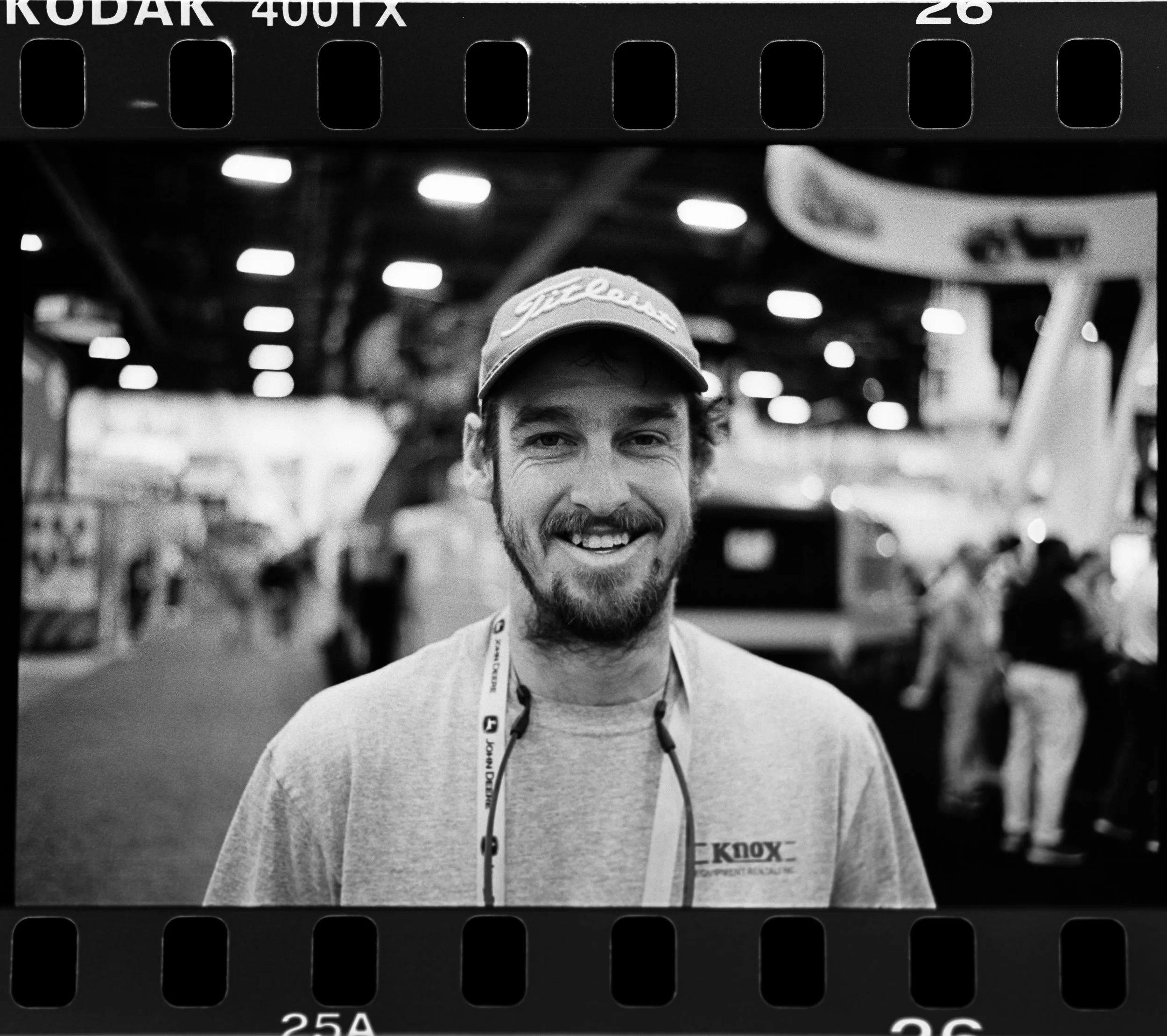
Tim Tuoni is the owner of Tuoni Site Development, based in Wendell, North Carolina.